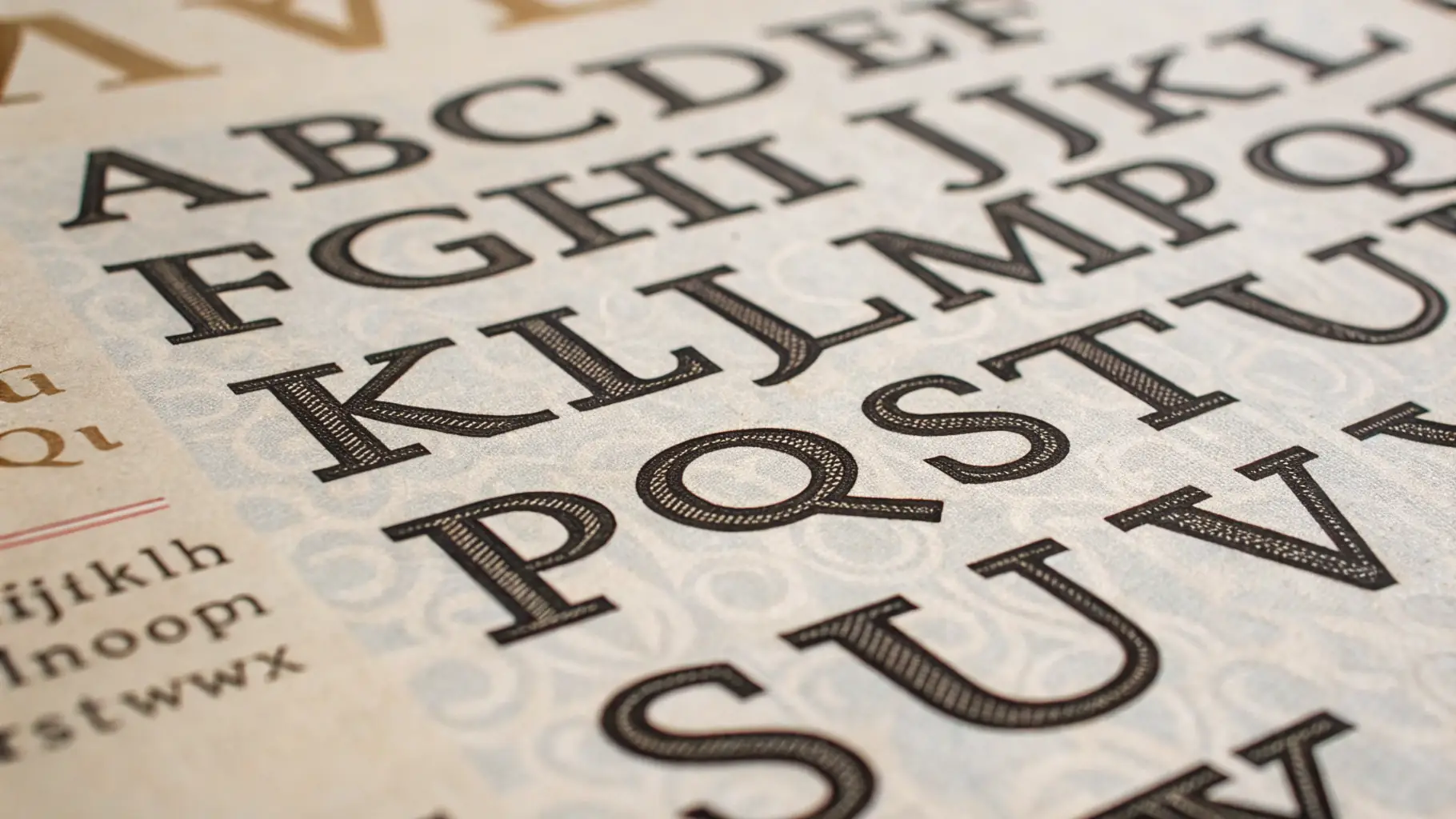
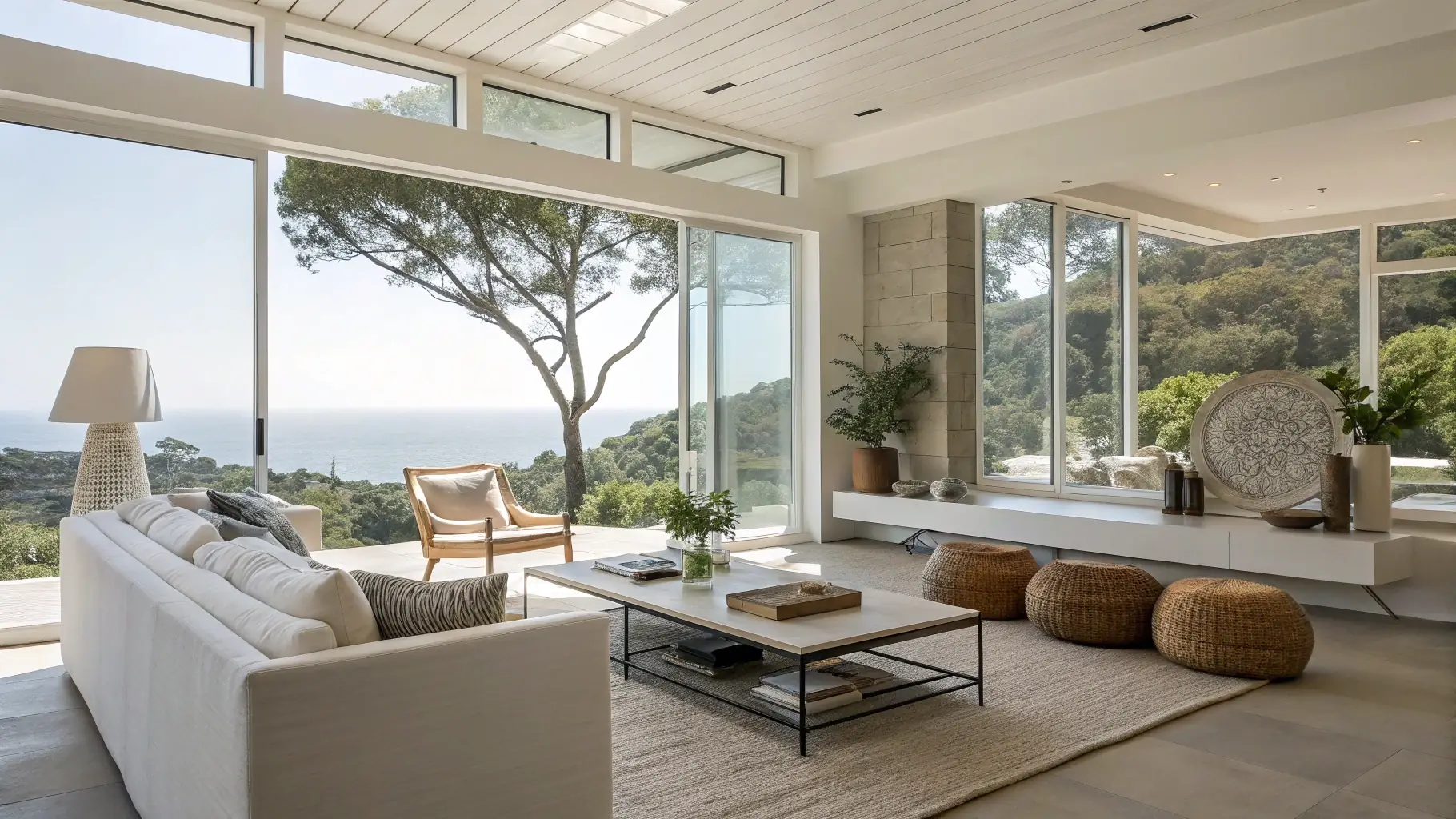
Minimalism, characterized by its simplicity and functionality, has become a dominant force in modern design. It emphasizes the removal of unnecessary elements, focusing instead on essential forms and materials. This approach not only creates visually appealing designs but also promotes a sense of calm and clarity. Minimalism is about intentionality and making every element count.
One of the key principles of minimalism is the use of negative space. This allows the essential elements to breathe and stand out, creating a sense of balance and harmony. Another important aspect is the careful selection of materials, often favoring natural and sustainable options. By stripping away the superfluous, minimalist design allows the underlying structure and form to shine through.
The influence of minimalism can be seen in a wide range of design disciplines, from architecture and interior design to graphic design and product design. It’s a philosophy that encourages us to question our consumption habits and to appreciate the beauty of simplicity. As we navigate an increasingly complex world, the appeal of minimalism lies in its ability to create a sense of order and tranquility. Embracing minimalism is about creating a more intentional and meaningful life.